
These writing samples have been taken from my gaming blog, Quick-time Tangents.
Commentary: Selling Segments
An episode of Extra Credits discussed an interesting plan for how developers could reduce the price of video games: they could sell the single-player campaign of a game for $35 and give players the option of buying multiplayer for $20. It was a unique thought, but why not go one step further?
Instead of making multiplayer an add-on to a single-player game, why not give players the option to buy each separately? What if you could buy the multiplayer of Call of Duty or Battlefield for $30 – $40 and then be able to pay for single-player?
I know a lot of people who play Call of Duty, Battlefield, and Halo solely for the multiplayer. The single-player campaign doesn’t interest them, so why should they have to pay for it? On the flip side, some people enjoy Halo’s story but have no interest in multiplayer. Why can’t they pay less for content they don’t want?
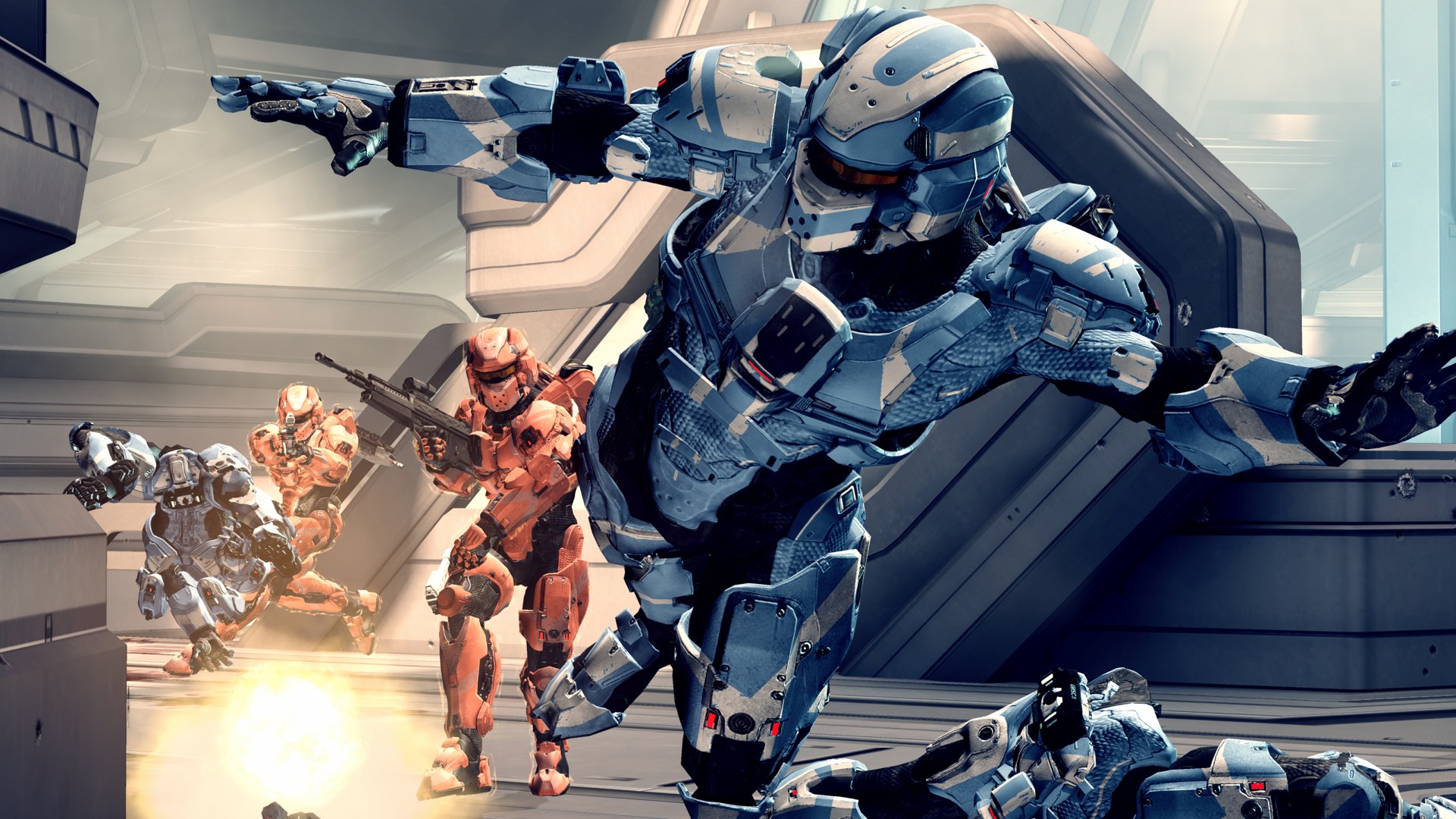
If someone wants to play as Master Chief, let them do it for $30 or less. If they want a good old Red vs. Blue battle, sell it to them for the same price.
Now this idea could lead to a loss of revenue. Developers would put millions of dollars into creating both experiences, but then a lot of people would only pay for one.
But I’d imagine that segmented games would sell more than a full package would. I could see more people buying lower priced halves of a game, leading to a wider audience and increased profit. $60 is a hefty investment to make but $30 is far more reasonable.

And it’s not like pure multiplayer doesn’t sell. Team Fortress 2 is one of the most successful pure multiplayer games in video game history, even before it became free-to-play. You don’t need single-player to make a great game, so why insist on including it not only in retail cost but development cost? Why not make cheaper, pure multiplayer games?
There might be other ways to decrease the price of games, and this wouldn’t apply to genres that rarely/never have multiplayer, but it’s something to consider. If this medium is going to grow, it needs to lower its barrier of entry, and this might be a good way to start.
_____________________________________________________
Missed Opportunities: Devil May Rage
Developer Ninja Theory probably should have chosen its words more carefully.
Close to the end of the first mission of DmC: Devil May Cry, there was a cutscene where a white wig flew onto the head of the new, redesigned Dante. For a brief moment, he had the hairstyle of the original Dante, which was meant to be a tribute to the fans of the first Devil May Cry. But a lot of fans were not happy with the joke, all because of five little words.
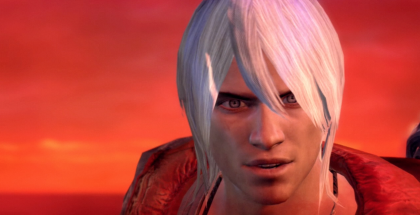
“Not in a million years.”
When Dante finished checking out his reflection and his “new” hairstyle, he muttered those words and threw the wig away. With that, Ninja Theory failed to deliver its intended joke.
The developers said that they wanted to poke fun at Dante’s new, unpopular design. They wanted to side with the fans that had been up in arms about it. The problem was how they handled the joke. By having Dante say that line and discard the wig, they sent the wrong message. They sent a message of, “The old Dante is dead. Deal with it.”
I saw a lot of angry comments when that cutscene hit YouTube.
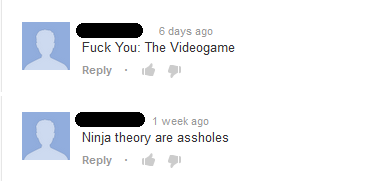
Most DmC videos I found had a good number of similar comments.
Unless it was really the developers’ intention to tell-off the angry fans, they should have thought about how Dante’s words would have been received. If they wanted to get their joke across the way I think they meant to, then Dante should have simply looked at his reflection and smiled. If he had shown interest in the hairstyle, and the wind blew it off, it might have sent a better message while still being funny.
It may seem like a small, insignificant thing to think about, but when your game has been hated from the moment it was announced, a poor choice of words can only make things worse.
 Thomas Aaron Ryefield | Technical Writer